Fishing Reel Gear Ratio Explained
Learn what fishing reel gear ratio means, how it differs from retrieve rate and when faster or slower gearing helps.
Affiliate disclosure: This page may contain affiliate links. We may earn a commission from qualifying purchases.
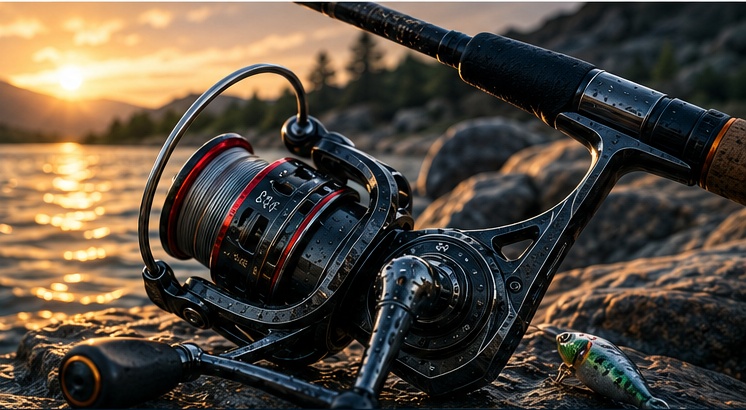
What does 6.2:1 mean?
It describes the mechanical relationship between the handle and the reel’s rotating components. It is useful, but it is not a universal speed measurement across different reel sizes.
Why two 6.2:1 reels can feel different
A larger effective spool circumference can recover more line per rotation. That is why inches-per-turn or centimeters-per-turn can be more directly comparable than ratio alone.
Faster versus slower
Fast retrieval can help pick up slack quickly or work presentations that demand speed. Lower gearing can be useful where leverage and deliberate retrieves matter. The technique should drive the choice.
Avoid buying by ratio alone
Check retrieve rate, handle length, spool size and intended lure or bait presentation. Gear ratio is one part of the system.
Sources and verification
Technical explanations in this guide were cross-checked against current fishing-reel selection material from West Marine (updated 2026). Model-lineup statements were checked against Piscifun’s current catalog in August 2026. Always verify the exact model specification and current terms before purchase.
Why ratio and pickup should be read together
Two reels can publish the same gear ratio and still recover different amounts of line per handle turn because spool circumference differs. For technique comparisons, line pickup is often the more practical number. Gear ratio still matters because it describes the mechanical relationship inside the reel.
Fast is not automatically better
High pickup can be useful for recovering slack or moving a lure quickly, while slower gearing can suit deliberate presentations. The right choice depends on the technique and how much line you need to recover between casts or during the retrieve.
Compare the exact size
Retrieve figures can change within the same reel family as spool size changes. Always check the specification for the exact size you intend to buy rather than assuming every model in the family behaves the same way.
Want to compare current reel options?
Use the guide above to narrow the reel type, size and application first, then compare the current models available from the affiliate merchant.
View current fishing reelsAffiliate link. Reel Ready Guide may earn a commission from qualifying purchases.Ready to narrow down your reel?
Check the current reel lineup after matching the reel to your rod, line, water and technique.