How to Choose a Fishing Reel
Choose a fishing reel by type, size, line capacity, drag, retrieve rate, water and rod compatibility.
Affiliate disclosure: This page may contain affiliate links. We may earn a commission from qualifying purchases.
1. Choose the reel system
Spinning reels hang below the rod and use a fixed spool during the cast. They are forgiving with light presentations. Baitcasting reels sit above a casting rod and use a revolving spool; they offer control but require spool management to prevent backlash. Conventional reels are common for heavier saltwater and trolling applications.
2. Match reel size to the job
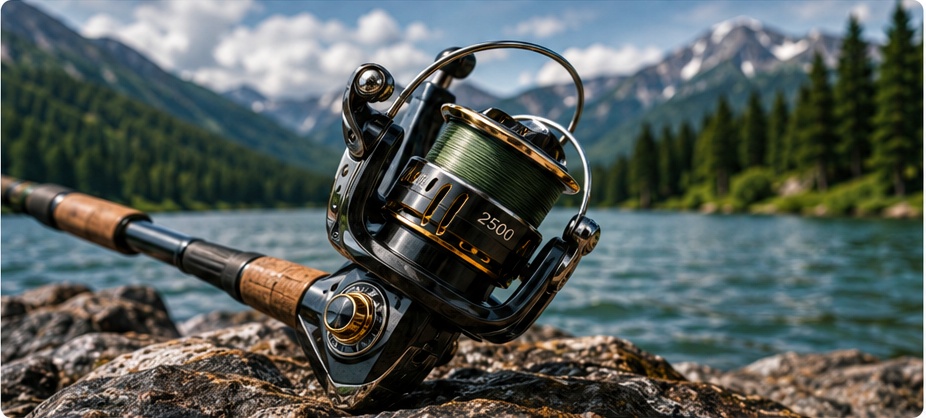
Spinning reel size labels are useful within a manufacturer’s lineup but are not a universal engineering standard. Compare physical weight, line capacity and drag - not just “2500” or “3000” printed on the box. The rod’s recommended line/lure range is an important cross-check.
3. Compare line capacity
Capacity changes with line diameter. Heavier monofilament consumes more spool volume; braid can offer high strength at a smaller diameter. Buy enough capacity for the fishing you actually do rather than automatically choosing the largest spool.
4. Understand gear ratio and retrieve rate
A 6.2:1 ratio describes rotations generated by one handle turn, but it does not by itself tell you how many inches of line come back. Spool diameter changes line pickup, so retrieve-per-crank is useful when comparing different sizes and brands.
5. Give drag the attention it deserves
Drag releases line under load. Smooth, controllable drag matters because abrupt changes in tension can compromise line or hooks. Maximum drag is not automatically the most important number; usable smoothness and a suitable range matter.
6. Freshwater or saltwater?
Regular saltwater use calls for components and construction intended to resist corrosion plus disciplined maintenance. Follow the manufacturer’s care instructions after saltwater exposure.
Sources and verification
Technical explanations in this guide were cross-checked against current fishing-reel selection material from West Marine (updated 2026). Model-lineup statements were checked against Piscifun’s current catalog in August 2026. Always verify the exact model specification and current terms before purchase.
How to use this guide when comparing actual reels
Start by defining the job the reel must do. Identify the water, rod, line, lure or bait, target species and technique. Then compare only the specifications that affect that job. This prevents a long feature list from distracting you from reel fit.
Specifications that deserve a second look
Reel size, line capacity, weight, drag, retrieve rate and handle configuration can all change between models and between sizes in the same family. Confirm the exact variant before purchasing. A family name alone does not guarantee identical performance across every size.
Avoid feature-count shopping
More bearings, higher maximum drag or a faster ratio can sound impressive, but none of those figures defines a good reel by itself. Compatibility and intended use are the stronger filters.
Want to compare current reel options?
Use the guide above to narrow the reel type, size and application first, then compare the current models available from the affiliate merchant.
View current fishing reelsAffiliate link. Reel Ready Guide may earn a commission from qualifying purchases.Ready to narrow down your reel?
Check the current reel lineup after matching the reel to your rod, line, water and technique.