Spinning Reels: Complete Guide
Learn how spinning reels work, where they excel and which specifications matter when choosing one.
Affiliate disclosure: This page may contain affiliate links. We may earn a commission from qualifying purchases.
How a spinning reel casts
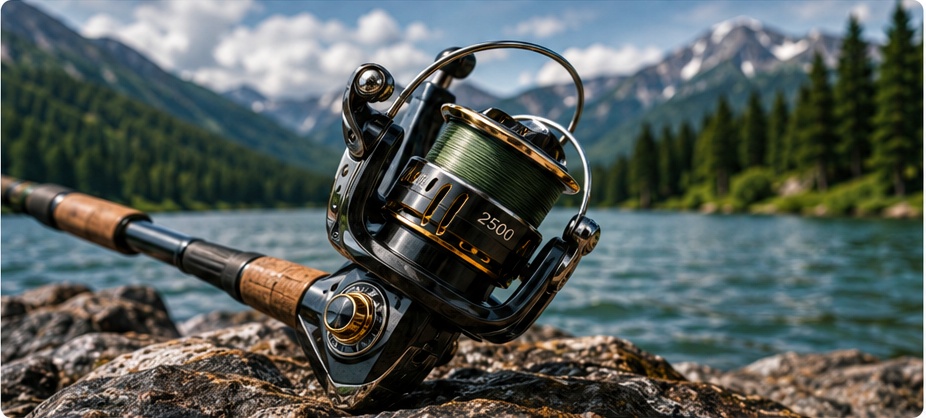
Opening the bail lets line leave the stationary spool in coils. Because the spool does not free-spin during the cast, anglers do not manage baitcaster-style spool overrun.
The specifications that matter
Compare size, line capacity, weight, retrieve per handle turn, drag and intended environment. Size labels are not perfectly standardized across manufacturers, so actual specifications matter more than the number alone.
Where spinning tackle fits
Spinning gear is widely useful for freshwater, finesse fishing, light inshore work and general-purpose setups. Heavier spinning systems also exist, so “spinning” does not automatically mean ultralight.
Limitations
A spinning reel is not automatically ideal for every heavy lure or specialized offshore job. Choose the system around the application rather than loyalty to one reel type.
What changes as spinning reel size increases?
Larger spinning reels generally provide more spool capacity, a larger body, more line pickup per rotor turn and additional drag capability, but they also add weight. That is why a larger size is not automatically an upgrade. A light freshwater setup can become tiring and poorly balanced if the reel is unnecessarily large.
How line choice affects the reel
Braid, monofilament and fluorocarbon differ in diameter and handling. The capacity figure printed for one line type does not translate directly to another. Decide on your line before choosing spool capacity, then use the exact manufacturer's capacity table for the model under consideration.
Common buying mistake
A frequent mistake is shopping for the reel independently from the rod. The rod's power, action, line range and lure range should be considered alongside reel weight and capacity. A reel can be mechanically capable and still be the wrong match for the outfit.
Want to compare current reel options?
Use the guide above to narrow the reel type, size and application first, then compare the current models available from the affiliate merchant.
View current fishing reelsAffiliate link. Reel Ready Guide may earn a commission from qualifying purchases.Ready to narrow down your reel?
Check the current reel lineup after matching the reel to your rod, line, water and technique.
Related guides
Continue with how to choose a fishing reel, the reel size guide, or the main fishing reel buyer’s guide.
Editorial note
We do not claim hands-on testing unless it actually occurred. Time-sensitive product specifications, inventory and commercial terms should be verified at the merchant before purchase.